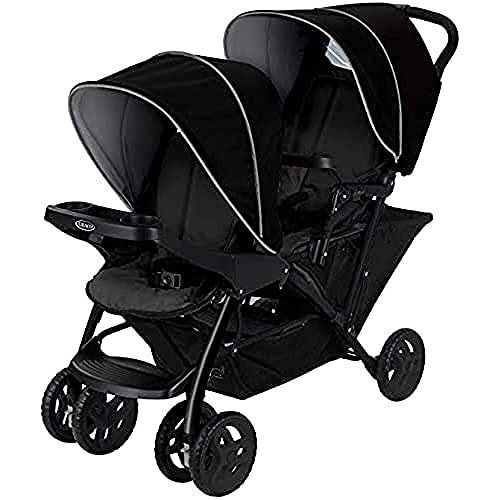
Understanding Prams and Pushchairs: A Comprehensive Guide
When getting in the world of parenthood, among the most essential decisions to make includes choosing the ideal devices for transporting a newborn or young child. Amongst the top contenders for this purpose are prams and pushchairs. Both serve the fundamental function of helping parents and caretakers bring their children conveniently, however they have unique features, advantages, and utilize cases that set them apart. This post intends to check out prams and pushchairs extensive, guiding prospective purchasers through their essential distinctions, advantages, and functions, and attending to frequently asked concerns.
What is a Pram?
A pram, short for "perambulator," is a type of lorry developed specifically for babies. It includes a completely reclining seat or bassinet, so a baby can lie flat while being transported. Strollers And Pushchairs is especially essential for newborns whose spines are still developing. Prams typically have larger wheels, offering a smoother trip on different terrains.
Secret Features of Prams:
- Fully Reclining Seat: Allowing infants to lie flat.
- Bassinet Design: Some models come with a removable bassinet.
- Spacious Interior: Adequate space for the kid to move comfortably.
- Robust Frame: Designed to be more steady, preferably suited for urban and rural locations.
Advantages of Prams:
- Comfort: Provide a comfortable area for the baby.
- Adaptability: Many can be transformed to a pushchair as the child grows.
- Stability: Larger wheels and frames provide higher stability, especially on uneven terrain.
What is a Pushchair?
A pushchair is a light-weight alternative typically used for young children. Unlike prams, pushchairs normally feature a seat that can sit upright and may not provide a completely reclining alternative, making them ideal for older babies who can support their heads and necks. Many modern-day pushchairs come with numerous functions geared towards benefit for the parent and comfort for the kid.
Key Features of Pushchairs:
- Multi-position Seats: Can deal with sitting upright or reclining choices.
- Light-weight Design: Easier to bring and steer.
- Foldable Framework: Often fold compactly for easy storage and transportation.
- Larger Storage Baskets: Convenient for bring baby basics.
Advantages of Pushchairs:
- Lightweight and Portability: Easy to transfer and keep.
- Steerability: Smaller wheels enable sharper turns.
- Accessibility: Easier access to older young children.
Key Differences Between Prams and Pushchairs
| Feature | Pram | Pushchair |
|---|---|---|
| Age Recommendation | Newborn to 6 months | 6 months to 4 years |
| Seat Position | Completely reclined | Multi-position |
| Weight | Much heavier | Lightweight |
| Surface Usage | Ideal for all terrains | Best for city/urban environments |
| Size | Larger, bulkier | Compact, simple to fold |
Selecting the Right Option for Your Needs
The choice to pick between a pram and a pushchair largely depends on your specific lifestyle and your kid's age. Here is a breakdown of considerations to assist narrow down the alternatives:
Considerations for Prams:
- If you live in a rural location with rough terrain, a tough pram may be more suitable.
- If you plan to utilize it for long walks or outings, the comfort of a pram can be helpful.
- Perfect for moms and dads who want a design that will comfortably support a newborn.
Considerations for Pushchairs:
- If you need something lightweight for city living or public transportation, a pushchair may be a better fit.
- For parents who want a flexible choice for toddlers with various position settings.
- If storage space is a concern, the compact nature of pushchairs supplies an option.
Typical FAQs
1. Can you use a pushchair for a newborn?
While many modern-day pushchairs provide reclining seats that can be utilized for newborns, it's generally suggested to utilize a pram or a pushchair with a bassinet option for sufficient assistance.
2. For how long can you use a pram or a pushchair?
Prams are normally utilized for babies as much as 6 months, while pushchairs can be appropriate for children as much as 4 years or more, depending upon the design.
3. Are prams more expensive than pushchairs?
Prams are frequently costlier due to their style, versatility, and materials. Nevertheless, costs can differ commonly depending on brand, features, and age suggestions.
4. Is it required to have both a pram and a pushchair?
Not always. Lots of moms and dads choose a 2-in-1 system that combines both features, allowing them to adapt as their kid grows.
5. What should I prioritize in selecting one?
Prioritize security functions, convenience, weight, size, and how well it suits your lifestyle. Check out reviews, and test drive various models when possible.
Picking between a pram and a pushchair is an essential choice for brand-new moms and dads and caretakers. Both alternatives have special features that deal with various age varieties and lifestyles. By understanding these essential differences, benefits, and suggestions, moms and dads can make a more informed option that meets their family's requirements. Whether starting a leisurely stroll in the park or browsing the stress of city streets, the best pram or pushchair can boost the experience, supplying security and convenience for both the child and the caretaker.